Insight
Making mistakes as a developer and the importance of a growth mindset
Resilience and a growth mindset are key character traits in development.
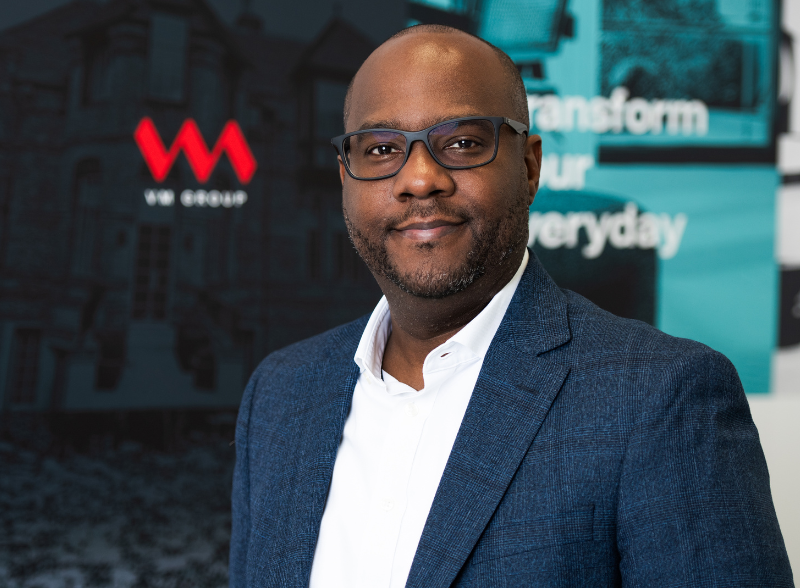
Andrew Evans
September 30, 2026

We all work in development, so we’re no strangers to the vagaries of the process. The only thing that’s a guarantee in this industry is that there are no guarantees.
It only takes a morning for a development to go off the rails.
• A difficult call from the contractor puts weeks on the programme.
• Opening up the building reveals work nobody allowed for.
• A sales market that looked healthy when you bought the site can feel very different by the time the first homes are ready.
The list is endless.
You have to develop a kind of suspension that allows you to ride the earthquakes that occasionally throw your project off course. When the ground shifts, you don’t get carried away. You can stay put, assess the new lay of the land and find a solution. This is a kind of grit you’ve got to display as a developer. Another character trait that you should be developing is a growth mindset. When mistakes happen, how can you turn them into something positive? How can you learn from them in such a way that they make your next development better?
This is the attitude we’re going to examine in this article. There’s risk in every scheme, and good preparation will only ever take you so far. Not ever making a mistake is, in most cases, too much to ask. What’s more realistic is having the right attitude so that when mistakes do happen, you can both ride the wave and learn from them.
Let’s get into it.
What adaptability looks like
So how do you build this suspension that allows you to ride the wave? It’s really about adaptability.
Let’s create a scenario. You’re converting an existing building and, after opening it up, you uncover structural problems that you haven’t budgeted for fixing. As a start, you have to establish the extent of the problem and get a reliable cost. Then you look at what can safely carry on while the repairs are carried out, how much contingency you’ll need and whether the delay affects your funding timetable. A problem in one part of the building can have consequences for the whole scheme, so it pays to look beyond the immediate fix.
Sometimes the challenge comes from outside the site. If enquiries are coming in but buyers aren’t booking viewings, your agent’s feedback might point to an issue with how the homes are being marketed. If people are viewing and consistently telling you they can get more space for the same money nearby, that’s a different conversation. You might revisit the pricing or review which units you release first. The useful thing is to understand what buyers are telling you before committing to a response.
Sometimes, adaptability means revisiting a decision you were once confident about. Having the courage to admit you were wrong and pivot is a powerful tool and a key part of the grit and adaptability you need as a developer.
Learning from mistakes
Some setbacks are outside your control. Others, with the benefit of hindsight, come down to decisions you’d make differently if you had the time to do it all again. An oversimplified example could be something like committing to a programme before checking the lead time on a key package. You can solve the immediate problem by finding another supplier or resequencing the work.
The solution is important and again comes down to that all-important grit and adaptability. But almost more important than this is your capacity to learn from the mistake. A growth mindset will not only support you to become a better developer but will also reduce the number of avoidable mistakes you make, leading to better outcomes and more profitable projects in the long term.
In the above example, you can guarantee that on the next project, you’ll fully confirm all the lead times because you now know what the consequences of not doing it are.
Make time to discuss the mistake while the details are still fresh.
• What did we know when we made the decision?
• Was there something we could reasonably have checked earlier?
• What will we do differently on the next site, and who’ll make sure it happens?
Sometimes the answer is as simple as adding a question to the acquisition checklist or bringing a specialist in a fortnight earlier.
Working with a relationship-led lender
When something goes wrong, it helps to have a funder who already understands the scheme and what you’re trying to achieve. If extra works mean you’ll need another month on site, that can affect everything from the timing of your next drawdown to the date you expect to repay the loan. A conversation while you’re working through the options gives both sides more time to understand the implications.
At VM Finance, we get to know our clients and the scheme from the outset. We make time to visit sites and understand how the project is meant to work on the ground. This way, we can help de-risk sites and remove uncertainty through offering advice and support throughout the process. When plans change, our familiarity with the project gives us a starting point for talking through what’s happened, reviewing the revised costs and programme, and exploring what’s possible within the funding arrangements.
This relationship-led approach is just one of the ways we support our clients to deliver successful projects and create financial wellbeing for all.
We’re always happy to talk through how you’re approaching your next development and where you might need flexibility.
Contact one of our relationship managers today to get started.