Insight
Questions to ask before acquiring a development site
Finding the right balance between enthusiasm and commercial fundamentals is vital when considering a new site.

John Wybar
October 1, 2026
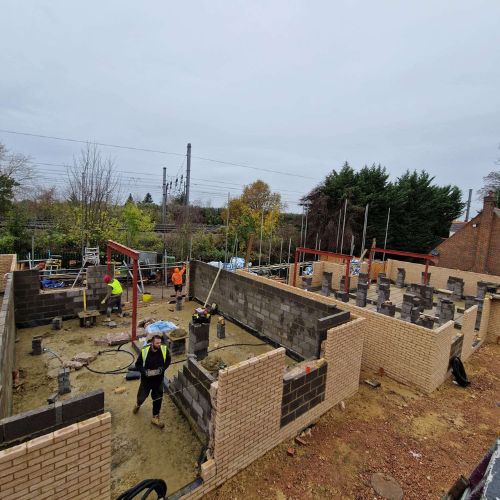
It’s a great feeling to find a site with potential, especially when it opens your mind to the possibilities of what could be achieved there, resulting in a strong vision to work towards.
When there’s competition for it or a time constraint, it can be easy to get carried away, but it’s always important to stay grounded whenever a new opportunity arises. Before committing, you need to understand exactly what you’re taking on. An attractive asking price is only one part of the picture, and if you don’t get the other fundamentals right, it could end up costing you dearly.
We always encourage developers to do their due diligence early and speak to the professionals who can help them assess the opportunity properly. In this short article, we examine seven questions worth asking before you acquire a site.
By the end, you’ll have a strong process for distinguishing a site that looks good from one that stands up to scrutiny.
1. What can we realistically deliver here?
You’ve got a strong vision of what you want to build, but how does that fit with the planning position? Understanding local policy, the site’s planning history and any existing permissions will help establish whether your ambitions are achievable.
If permission is already in place, look closely at what it allows and the conditions and obligations attached to it. You’ll need to understand how these could affect the design, programme and costs, as these factors will collectively affect how financially feasible the project is.
You also need to wrap your head around the physical attributes of the site, including its size, layout and access. These will influence what you can accommodate and how buildable it is. Getting an architect and planning adviser involved early can help you test the potential before it becomes the basis of your offer.
2. Who’s going to buy or rent it?
Whatever you build, you’re going to need a customer and a clear understanding of who yours will be. What are they looking for, what can they afford and why would they choose your scheme?
Take a look at local sales and lettings evidence to back up your assumptions. Speak to agents, look at comparable properties and investigate how quickly they’re selling or letting. If you’re operating purely on intuition, you’re opening yourself up for a rude financial awakening. Knowing the asking prices in the area is obviously useful, but you also need to understand what’s actually being achieved.
Always consider competing developments too, including those that could reach the market around the same time as yours. This will help you assess the right mix, specification and pricing before you become committed to a particular approach.
3. What could make this site difficult to develop?
We’ve spoken previously about the dangers of optimism bias. A useful way to avoid this is to look for negatives. Some constraints are easy to spot on a site visit, while others need legal advice, surveys and technical investigations to uncover.
Your solicitor should investigate ownership, access rights and restrictions that could affect your plans. You’ll also need the right advice on issues such as ground conditions, contamination, flood risk and ecology.
You should also turn your attention to the site’s utilities as early as possible. Establishing whether suitable connections are available and what upgrades might cost or how long they could take can make a significant difference to the programme and, in turn, your bottom line.
These issues don’t necessarily mean you should walk away. They do mean you need to understand their implications and account for them before agreeing a price.
4. Have we accounted for the full cost?
The purchase price and headline build cost are hugely important, but they’ll only take you so far. Your appraisal needs to reflect the full cost of acquiring, delivering and completing the development.
That includes professional fees, finance costs, relevant taxes and planning contributions, alongside any demolition, remediation or infrastructure works. There also needs to be an appropriate contingency for the scheme if things don’t go to plan.
Build costs should be tested with people who understand the proposal and its practical challenges, so early input from a quantity surveyor and contractor can help establish whether your allowances are realistic.
A site might look like a bargain at first, but once you start adding up the variables, it can turn into an expensive acquisition. The important question is whether the complete development stacks up at the price you’re proposing to pay.
5. What happens if things change?
Every appraisal contains assumptions, and that’s entirely normal. However, it’s equally important to understand what happens when some of those assumptions are proved wrong.
If construction costs rise, sales values fall or the programme takes longer, how much room is there to manoeuvre? A scheme that only works when everything goes exactly to plan brings a lot of risk with it.
You should test different scenarios and consider the effect on both profitability and cash flow. Delays can mean additional costs and a longer wait for income, so you need to understand what resources would be available to manage them in the event that the project is not smooth sailing.
Doing this early gives you a clearer view of the risk you’re taking on. And it can also give you a head start on problem-solving if things don’t go to plan.
Most importantly, it can help you decide whether to adjust the proposal, renegotiate the price or keep looking.
6. Can we fund the acquisition and delivery?
Funding should always be part of the conversation before you commit to buying. You need to understand how much equity you’ll require, when it will be needed and how the rest of the development could be financed.
From our perspective as a lender, we want to understand the site, the proposed scheme, the team delivering it and the evidence behind the numbers. A realistic programme and clear route to repayment are fundamental points for your funding partner, and helping them understand these will give them peace of mind and encourage enthusiasm.
It’s also important to look at how funding will work throughout the project. The timing of costs and drawdowns needs to be considered alongside your cash requirements. We’re relationship-led and like to get involved early, so talking through the opportunity at this stage helps us understand your plans and identify what’s needed to assess the funding properly.
7. What’s our exit?
Before acquiring the site, you should know how you intend to repay the development finance. Will you sell the completed properties, retain the scheme and refinance, or sell it as an investment?
Each route needs evidence behind it, so you can’t just reel off a few numbers and hope that’s enough. If you’re selling, your pricing and sales programme need to be realistic. If you’re retaining the asset, you’ll need to explore longer-term finance and whether the anticipated income supports it.
It’s sensible to consider what happens if the preferred exit takes longer than expected, while also understanding the alternatives. Doing this early gives you more options if circumstances change.
While it’s one of the last things you’ll do on the project, the exit should help shape your acquisition decision, the appraisal and the funding structure from the beginning.
Starting with the right conversations
Acquiring a site is a significant commitment. It’s a good thing to get excited about what might be possible on it, as that’s a key part of delivering something worthwhile. But it’s just as important to ask the right questions early so you can understand the opportunity, identify the challenges and make a decision based on all the available evidence.
We work with developers across the country and always look to start conversations at the earliest stages. We take a hands-on, relationship-led approach, working with you to build a legacy and deliver financial wellbeing for all involved. If you’ve got a site in mind, speak to our relationship management team about what you’re planning and how the funding could work.
Call us today to tell us what you’ve got going on.